◆ Platform Introduction
Neuropsychiatric diseases refer to disorders of the nervous system and brain function, including brain diseases and neurological abnormalities caused by various reasons. LEWWIN PHARM’s Neuropsychiatric Drug Evaluation Platform has established multiple models for neurological diseases (dementia, stroke, insomnia, convulsions, anxiety, schizophrenia, etc.) and possesses a GLP-accredited non-clinical drug dependence research platform for evaluating physical and psychological dependence. Equipped with a comprehensive range of animal behavioral instruments, it can provide scientific, high-quality, efficient, and professional one-stop research services!
◆ Nervous System Diseases Research
Neuroscience Disease Research | Disease Type | Animal Model/Test | Animal Species | Main Detection Methods & Indicators |
Pain | Formalin-induced pain model | ICR Mouse | Cumulative pain response time in corresponding phases; can differentiate central vs. peripheral effects | |
Kaolin+Carrageenan-induced paw inflammation pressure pain model | SD Rat | Electronic Pressure Application Meter / Paw withdrawal threshold; can differentiate central vs. peripheral effects | ||
Acetic acid-induced writhing pain model | ICR Mouse | Number of writhes | ||
Electrical stimulation/Hot plate/Photothermal tail-flick/Cold stimulation test | SD Rat/ICR Mouse | Site-specific pain threshold | ||
Dementia | AB25-35 + D-galactose induced Alzheimer’s Disease (AD) model | SD Rat | 8-arm radial maze video analysis system / behavioral training & testing;histopathological examination | |
Bilateral Common Carotid Artery Occlusion (BCCAO) induced Vascular Dementia (VD) model | SD Rat, ICR Mouse | Water maze video analysis system / behavioral training & testing; histopathological examination | ||
Stroke | Bilateral Common Carotid Artery Occlusion (BCCAO) model | SD Rat | Behavioral evaluation - neurological dysfunction; TTC staining - cerebral infarct volume; brain water content - cerebral edema; histopathological examination | |
Intraluminal suture Middle Cerebral Artery Occlusion (MCAO) model | SD Rat | |||
Insomnia | Para-Chlorophenylalanine (PCPA) induced insomnia model | SD Rat | EMKA telemetry system for EEG signals / EEG waves,calculate percentages of vigilance states (AW, SWS, REMS, QW) | |
Tail clamping + PCPA induced liver depression insomnia model | SD Rat | |||
Locus coeruleus injection of picrotoxin induced convulsion model | SD Rat | |||
Convulsions | Pentylenetetrazol (PTZ) induced convulsion model | SD Rat | Seizure onset latency, duration, incidence rate | |
Picrotoxin induced convulsion model | SD Rat | |||
Febrile convulsion model | SD Rat, ICR Mouse | |||
Depression | Forced swim or tail suspension induced acute stress depression model | SD Rat | Body weight/food intake; emotional behavior scores; open field test; social interaction / avoidance test; sucrose preference test | |
Shuttle box electric shock induced depression model | SD Rat | |||
5-Hydroxytryptophan (5-HTP) enhancement model | SD Rat | Behavioral measurement of spontaneous activity and Prepulse Inhibition (PPI); LC-MS/MS detection of 5-HT and DA levels | ||
Schizophrenia | Phencyclidine (PCP) induced schizophrenia rat model | SD Rat | ||
Vertigo | Desmopressin acetate induced endolymphatic hydrops model | Hartley Guinea Pig | Behavioral scoring, histopathological examination | |
Artery ligation induced ischemic vertigo model | SD Rat |

◆ Dependence Test Research System
Dependence Evaluation and Research | Type | Animal Model/Test | Animal Species | Main Tes Methods & Indicators |
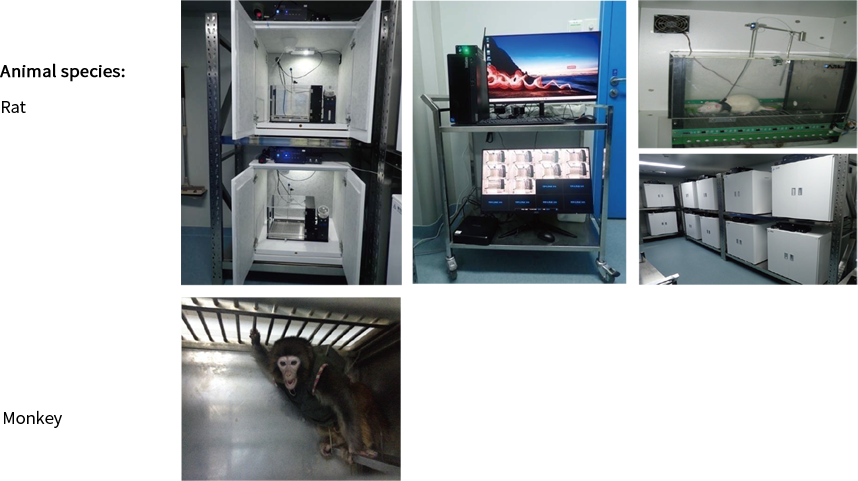
Physical Dependence | Natural Withdrawal Test | Rat, Monkey | Gradual dose-escalation administration, cessation of administration,withdrawal, withdrawal symptoms | |
Precipitated Withdrawal Test | Mouse, Rat,and Monkey | Dose-escalation administration, administration of antagonist, withdrawal symptoms | ||
Psychological Dependence | General Behavioral Test | Mouse, Rat | Functional Observational Battery (FOB) Test / Irwin’s Test, Motor Activity Test | |
Conditioned Place Preference (CPP) Test | Rat | Conditioned Place Preference Analysis System / behavioral training, testing; CPP score | ||
Self-Administration Test | Rat, Monkey | Animal Self-Administration System / surgery, behavioral training,testing; Number of lever presses (MED) or nose pokes | ||
Drug Discrimination Test | Rat | Drug Discrimination System / food training phase, reinforcement training phase and challenge test phase, relationship between lever presscorrect rate and dose |
Special Drug Storage Facility Conditions
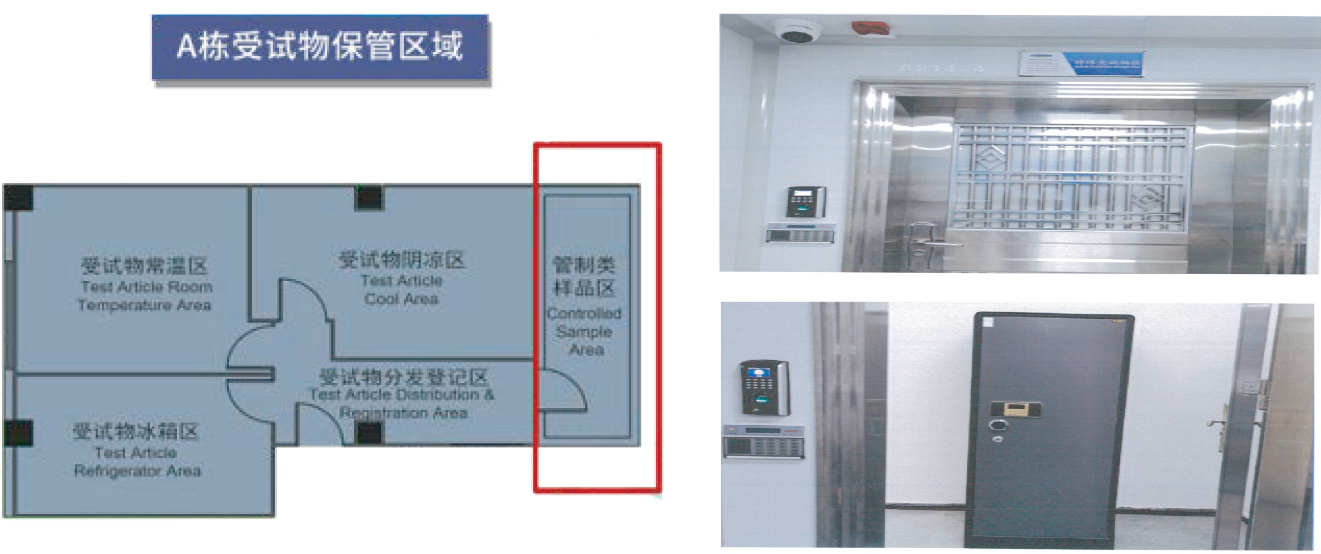
In accordance with the requirements of Article 47 of the “Regulations on the Control of Narcotic Drugs and Psychotropic Substances” (State Council Order No. 442), dedicated warehouses and cabinets are established for storing narcotic drugs and Category I psychotropic substances. The dedicated warehouse is equipped with anti-theft devices and alarm systems, and the dedicated cabinet is a safe. Both the dedicated warehouse and cabinet are managed under a dual-person, dual-lock system.
1、 Evaluation of Physical Dependence
Evaluation of Physical Dependence: Typically uses withdrawal tests to assess whether withdrawal symptoms occur after sudden cessation of long-term repeated administration of the test substance. Most dependence-producing drugs, after achieving physiological adaptation, typically produce physical withdrawal symptoms upon abrupt cessation or significant dose reduction, such as lacrimation, salivation, diarrhea, piloerection, wet dog shakes, etc., after opioid withdrawal.
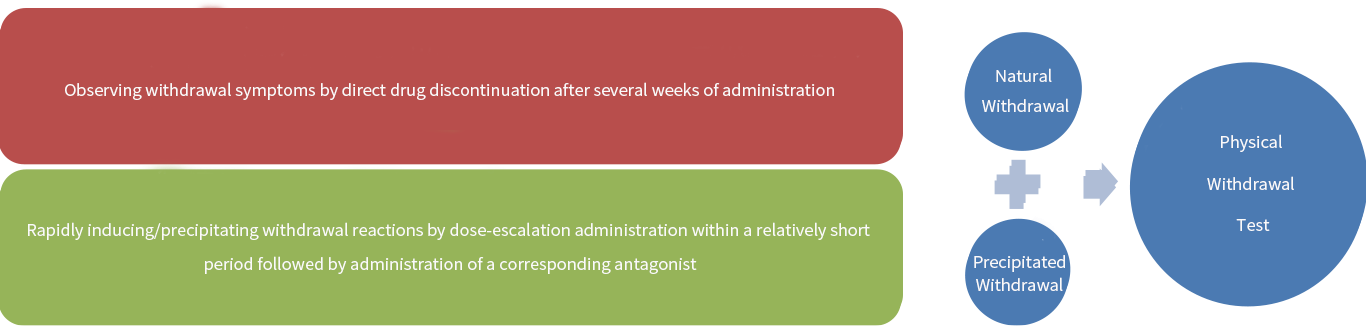
Evaluation of Physical Dependence (Natural Withdrawal):
Experimental Animal: Rat
Experimental Procedure: Model establishment (administration of morphine with dose escalation every three days, three times daily, for 30 consecutive days), Withdrawal symptom observation period (continuous observation for one week after cessation, once each in the morning and afternoon, body weight measurement)
Evaluation Indicators: Withdrawal symptoms
(1) Jumping, wet dog shakes, writhing, head shakes, yawning, tail whipping;
(2) Teeth chattering, chewing (at least 3 seconds between episodes);
(3) Salivation, lacrimation, piloerection, ptosis, diarrhea.
Evaluation of Physical Dependence (Precipitated Withdrawal):
Experimental Animal: Rat
Experimental Procedure: Model establishment (daily dose-escalation administration of morphine, three times daily, for 5 consecutive days), Withdrawal symptom observation period (2 hours after the last morphine injection, intraperitoneal administration of naloxone)
Evaluation Indicators: Withdrawal symptoms
(1) Number of jumps, number of writhes (30 min);
(2) Body weight change (1 h post dose).
Research Case
Study on the Precipitated Withdrawal Test of a Test Substance in ICR Mice (Results of Positive Control Morphine)
Group Design
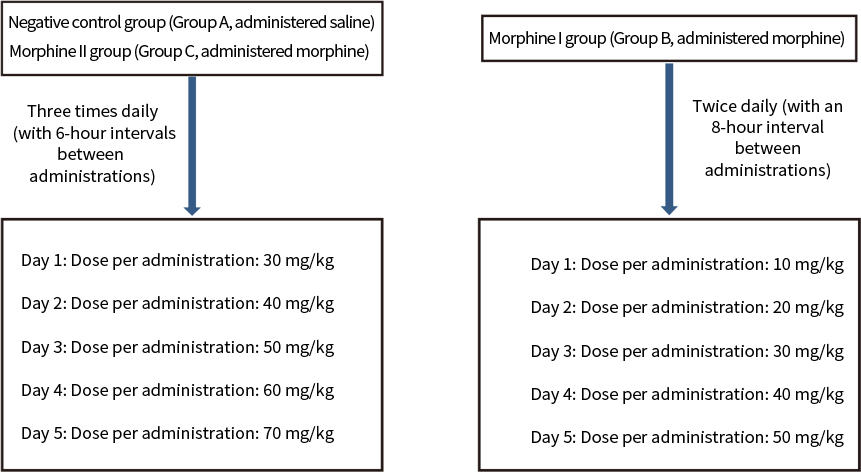
Groups A, B, and C received intraperitoneal injection of naloxone at 8 mg/kg for withdrawal 2 hours after the last injection of saline or morphine, respectively.
Test Results
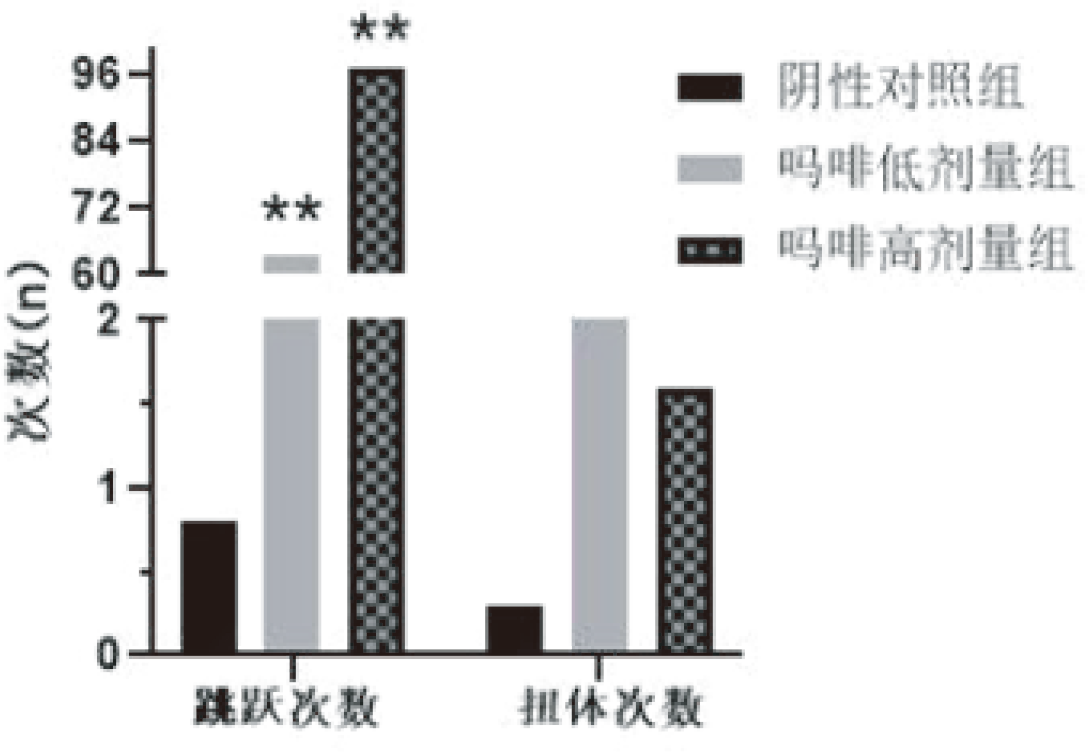
The number of jumps in mice from Groups B and C significantly increased after intraperitoneal injection of naloxone, and the number of writhes also increased. Both the number of jumps and body weight change serve as primary indicators of withdrawal symptoms in mice, and the number of writhes is also an indicator of withdrawal symptoms. Both morphine groups successfully established morphine dependence models in mice.
2、General Behavioral Tests
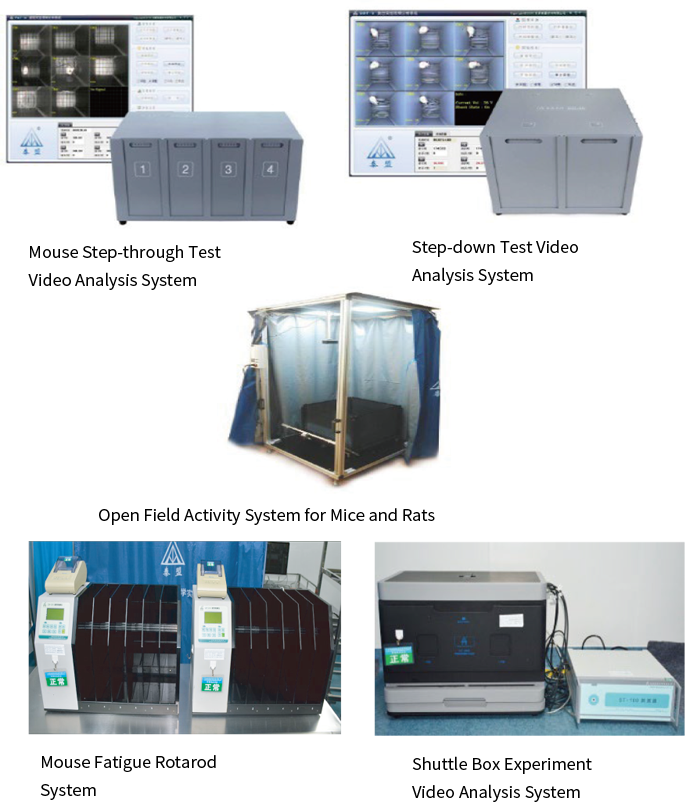
Functional Observational Battery (FOB) Test: Observes general animal behavior for a period after acute administration (including Tmax), providing preliminary indications of whether the test substance produces dependence-related effects (stimulation/sedation).
Motor Activity Test: Assesses the ability of the test substance to interfere with normal motor function after acute administration, including observation of locomotor behavior (stereotypy/rotarod performance), righting reflex, observation of muscle tone, inclined plane test, etc.
——Relevant Guidelines for Safety Pharmacology Studies
3、 Evaluation of Reward Effect/Reinforcing Properties
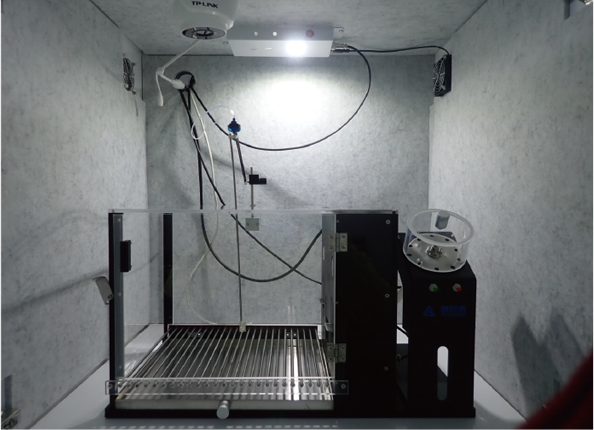
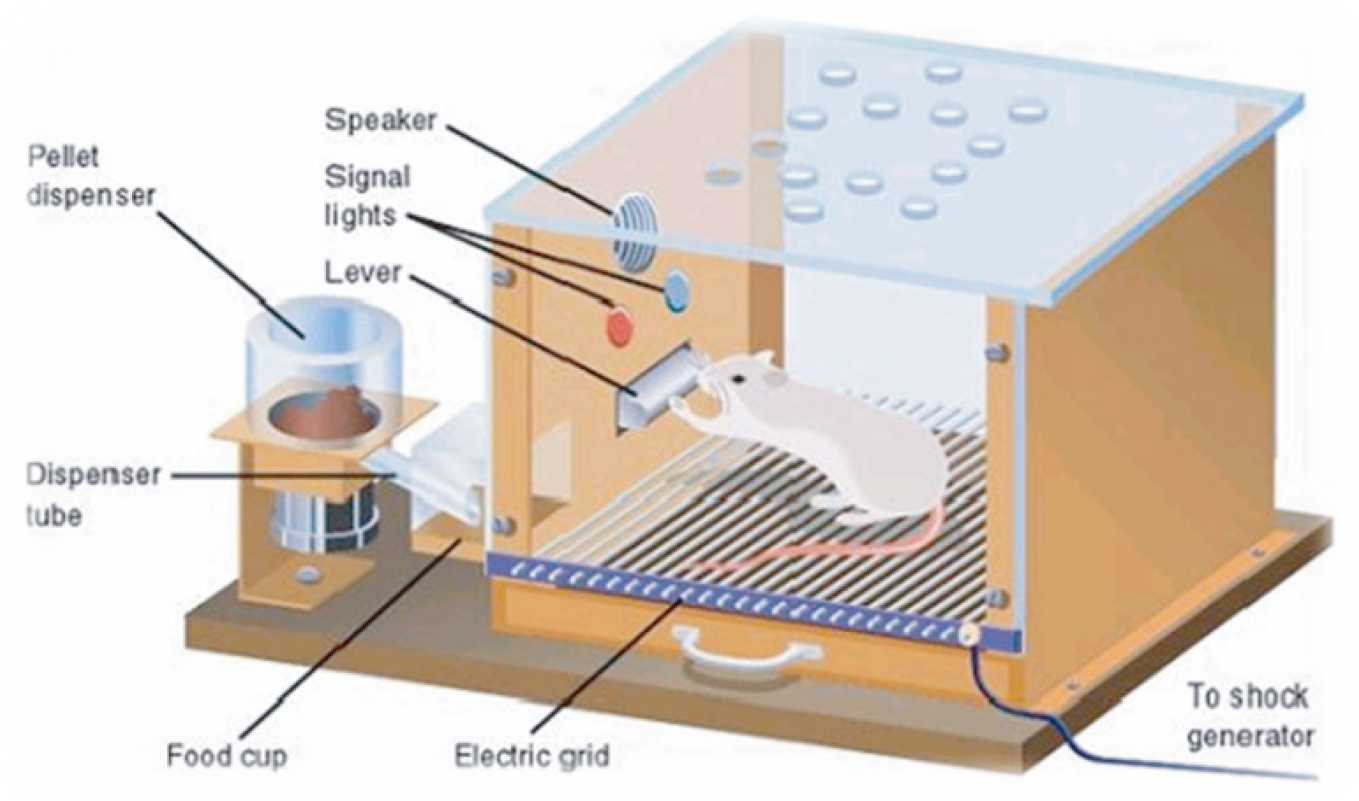
· Self-Administration Test:
Route of Administration: Intravenous
Experimental Procedure: Surgery (jugular vein catheter implantation), recovery (3-5 days), self-administration training period, testing period
Evaluation Indicators: Number of lever presses or nose pokes by the animal
Experimental Duration: Typically uses fixed-ratio FR1-10 training, with FR10 used for final testing.
Precautions: Post-operative daily care
Self-Administration Test (Schematic Diagram)
· Conditioned Place Preference (CPP) Test:
Experimental Animal: Rat
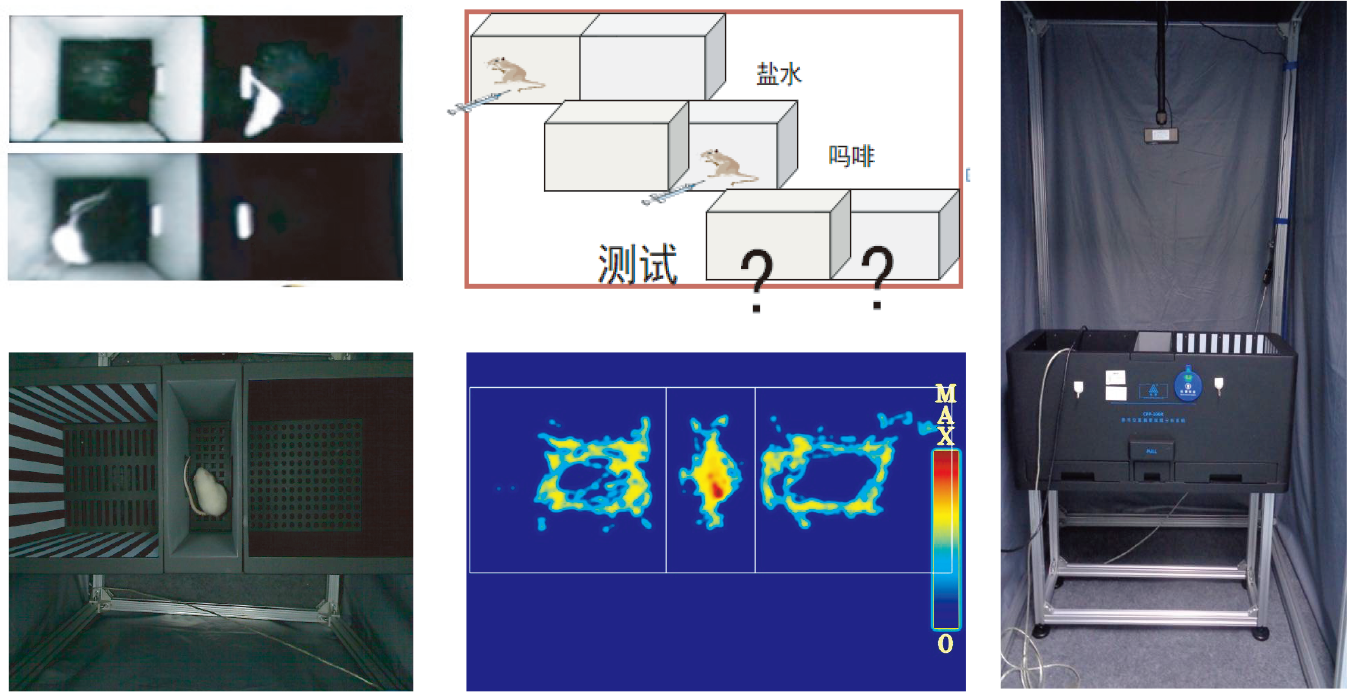
Experimental Procedure: Pre-conditioning period, conditioning period, test period
Evaluation Indicators: CPP index (calculates the time the animal spends in different test chambers)
Precautions: Use a balanced experimental design to avoid influence from animals’ natural preferences
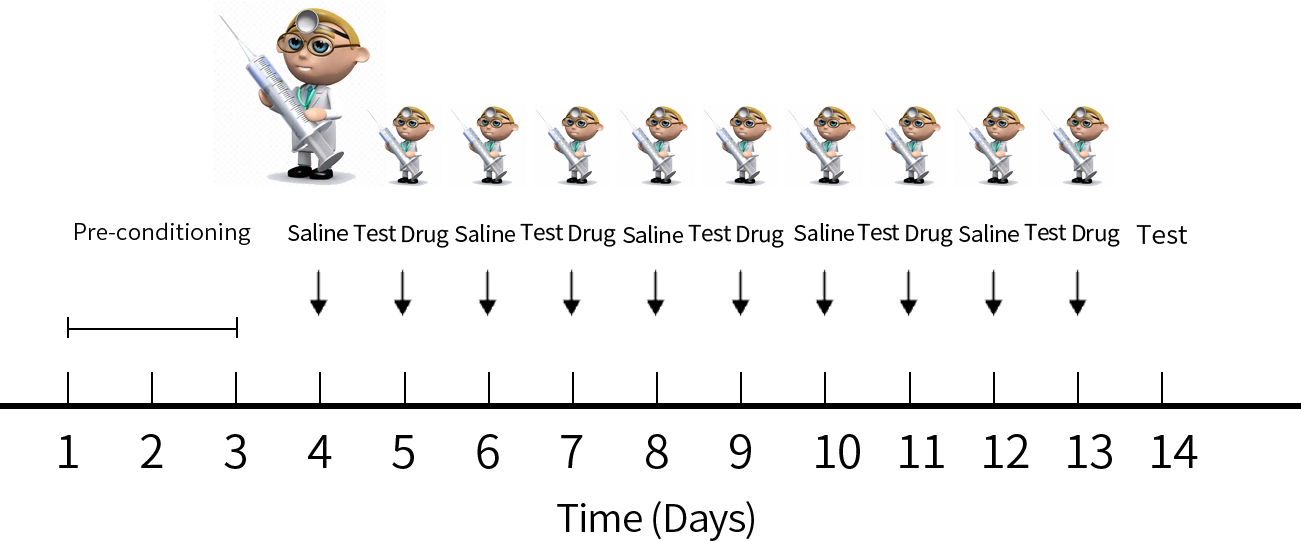
Conditioned Place Preference Test (Schematic Diagram)
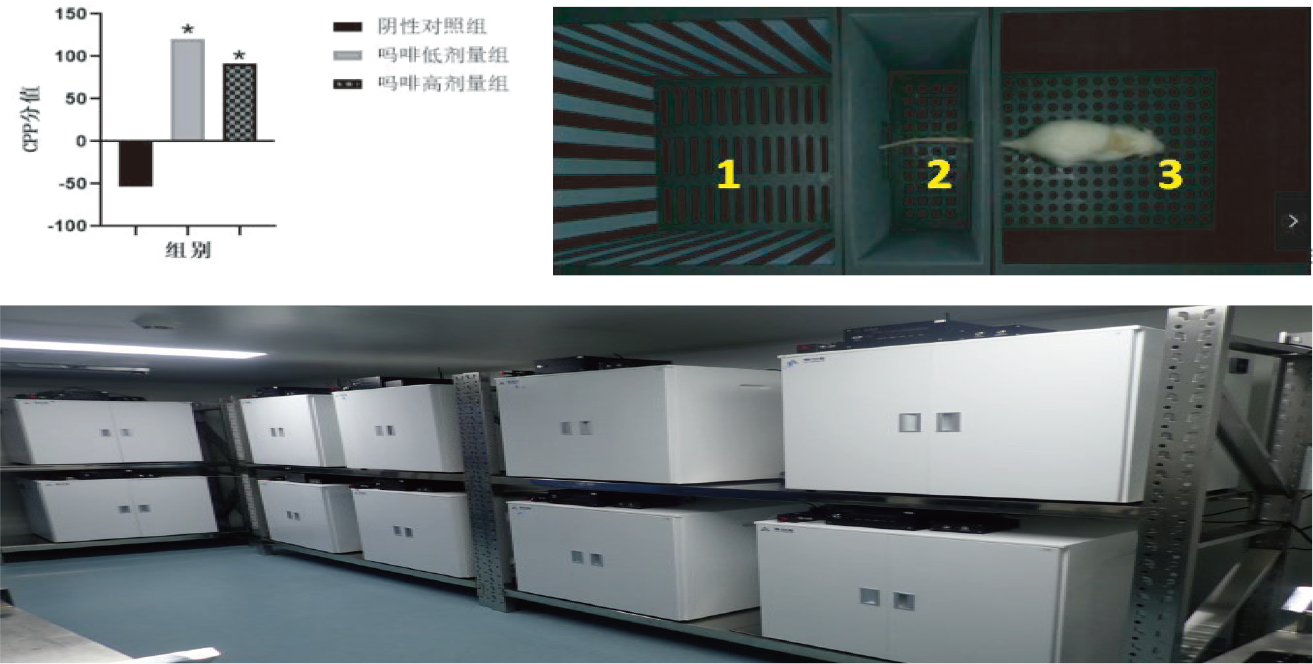
Conditioned Place Preference Test of a Test Substance in SD Rats (Results of Positive Control Morphine)
Group Design
| Group | Animal Quantity | Test or Control Article | Dose Level (mg/kg) | Dose Concentration (mg/mL) | Dose Volume (mL/kg) |
Male | |||||
Negative Control Group (Group A) | 10 | 9% Sodium Chloride Injection | — | — | 1.0 |
Morphine Low Dose Group (Group B) | 10 | Morphine Hydrochloride Injection | 5 | 10 | 0.5 |
Morphine High Dose Group (Group C) | 10 | Morphine Hydrochloride Injection | 10 | 10 | 1.0 |
Low Dose Group (Group D) | 10 | Test Article | … | 10 | 1.0 |
Middle Dose Group (Group E) | 10 | Test Article | … | 10 | 1.0 |
High Dose Group (Group F) | 10 | Test Article | … | 10 | 1.0 |
Test Results
4、Evaluation of Similarity to Effects of Known Drugs of Abuse
Drug Discrimination (DI) Test: Used to evaluate whether the test substance produces subjective effects similar to those of a known drug of abuse (training drug).
Experimental Purpose: Assess the animal’s ability to discriminate between different drugs or compounds, evaluate drug abuse potential.
Experimental Animal: Rat
Experimental Procedure: Food training phase, reinforcement training phase, and test phase
Evaluation Indicators: Number of lever presses on the drug-associated vs. non-associated lever by the animal
Experimental Duration: Typically uses fixed-ratio FR10 training, and FR10 is also used for testing.
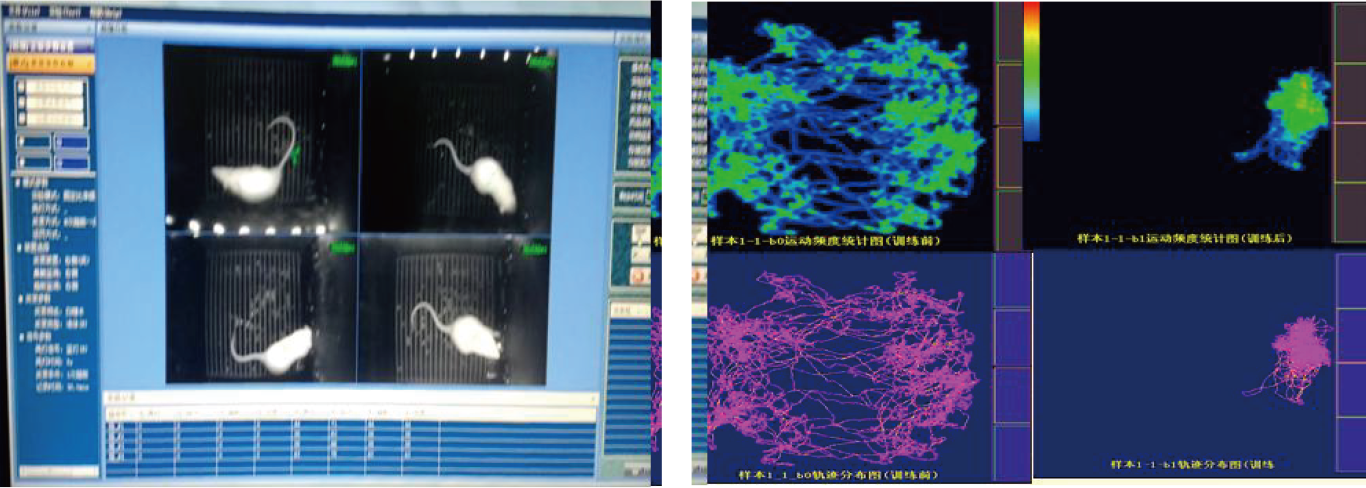
Drug Discrimination Test (Schematic Diagram)