◆ Featured Research
In vitro and in vivo pharmacodynamics evaluation of antiviral infections: The institute has established various in vitro pharmacodynamics evaluation methods for influenza virus, adenovirus, respiratory syncytial virus, Sendai virus, herpes virus, etc. The in vitro antiviral effects of drugs and vaccines can be evaluated through CPE, plaque assay, MTT, hemagglutination inhibition, neutralizing antibodies, etc. In vivo, various animal models for viral infections via different routes have been established, including influenza, RSV, hand-foot-and-mouth disease, herpes virus, etc. All models have been validated to meet the requirements for new drug evaluation.
In vitro and in vivo pharmacodynamics evaluation of antibacterial infections: The institute has established in vitro efficacy evaluation methods for common infectious bacteria such as Mycobacterium tuberculosis, Klebsiella pneumoniae, Escherichia coli, Pseudomonas aeruginosa, Haemophilus influenzae, Acinetobacter baumannii, Moraxella catarrhalis, Streptococcus pneumoniae, Streptococcus pyogenes, Staphylococcus aureus, etc., and has established various animal models for bacterial infections via different routes. All models have been validated to meet the requirements for new drug evaluation.
Pharmacodynamics evaluation for anti-respiratory infections: Animal models for anti-influenza, anti-RSV, anti-tuberculosis, hand-foot-and-mouth disease, etc.
Non-clinical safety evaluation of novel preventive vaccines: Conducts biosafety-compliant efficacy and safety evaluation studies for preventive vaccines such as attenuated/inactivated vaccines, adenovirus vaccines, mRNA vaccines, recombinant protein vaccines, and nano-vaccines.
◆ Technical Capabilities
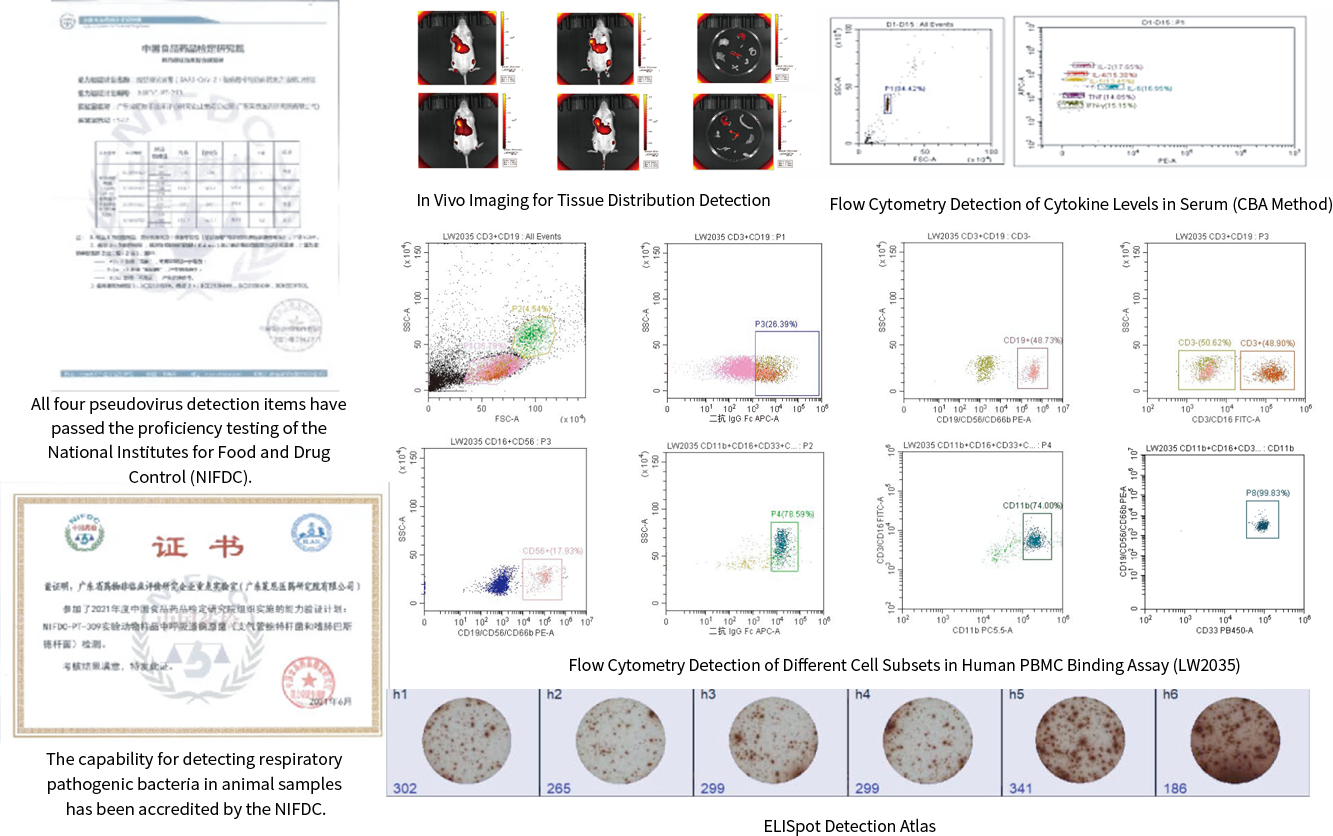
Established and validated various detection technologies for vaccines and anti-infective drugs in accordance with GLP requirements, and successfully passed assessments and certifications by regulatory authorities.
◆ Instruments & Equipment
◆ Case Presentation
Pathological Criteria:

The lungs of model animals primarily exhibit interstitial inflammation, characterized by extensive inflammatory cell infiltration in the interstitium around alveolar walls, blood vessels, and bronchioles. A large number of inflammatory cells, predominantly macrophages, are also visible in the alveolar spaces.
◆ Research Experience
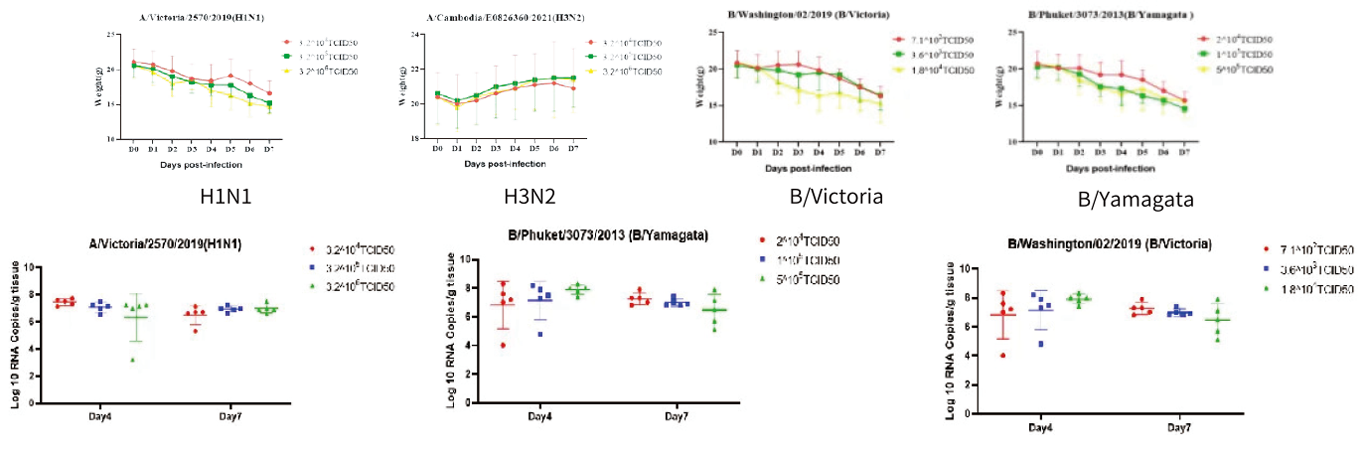
Influenza Model (Ferrets Model Mechanism)
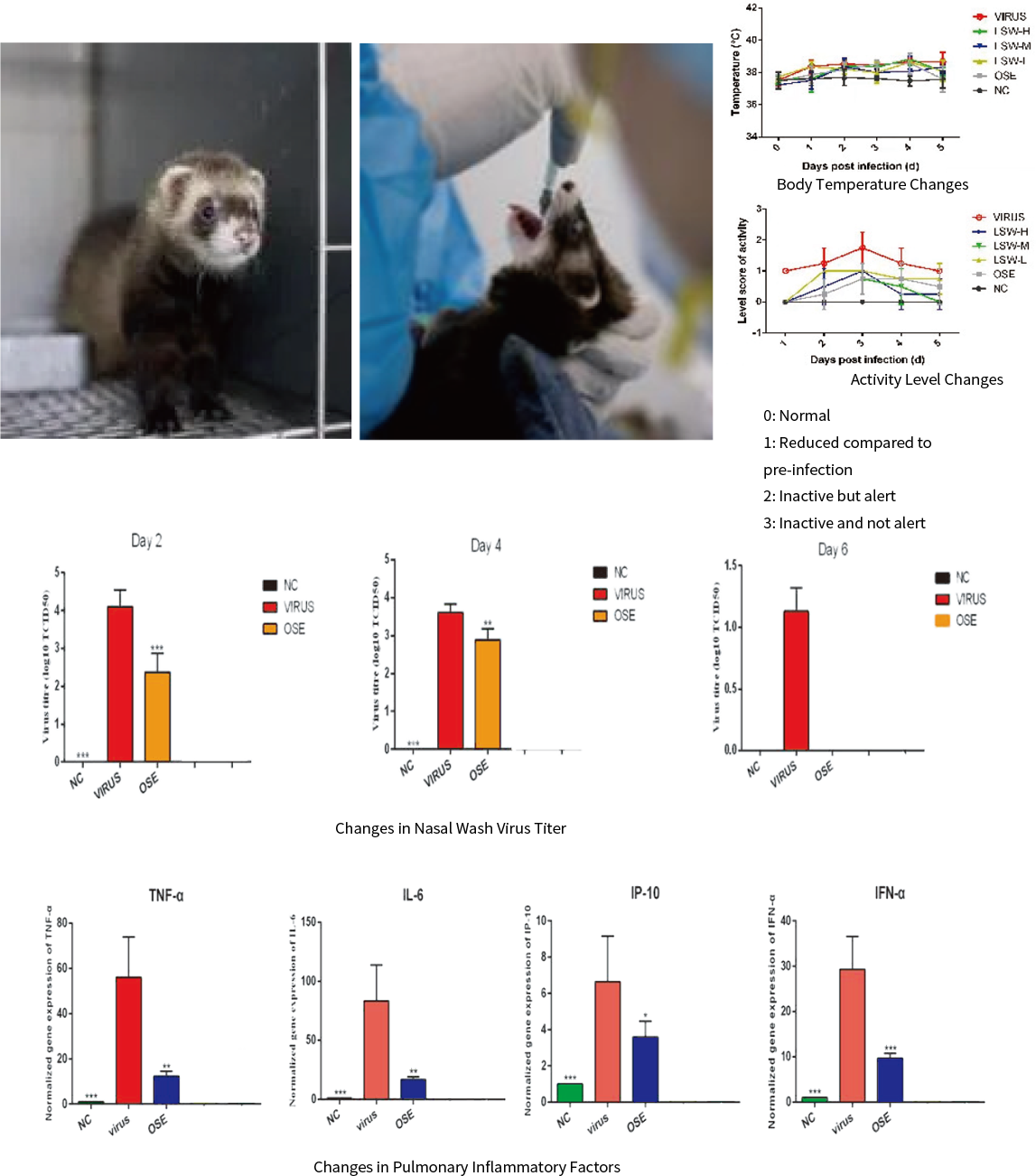
SARS-CoV-2 Infection Model
Has completed over 20 COVID-19 vaccine projects, involving strains including WT, Delta, Omicron, and its variants.
Pathological Criteria:
The lungs of model animals primarily exhibit interstitial inflammation, characterized by inflammatory cells and serous exudate in the interstitium surrounding alveolar walls, blood vessels, and bronchioles. A large amount of inflammatory serous fluid and inflammatory cells, predominantly macrophages, are also visible in the alveolar spaces.
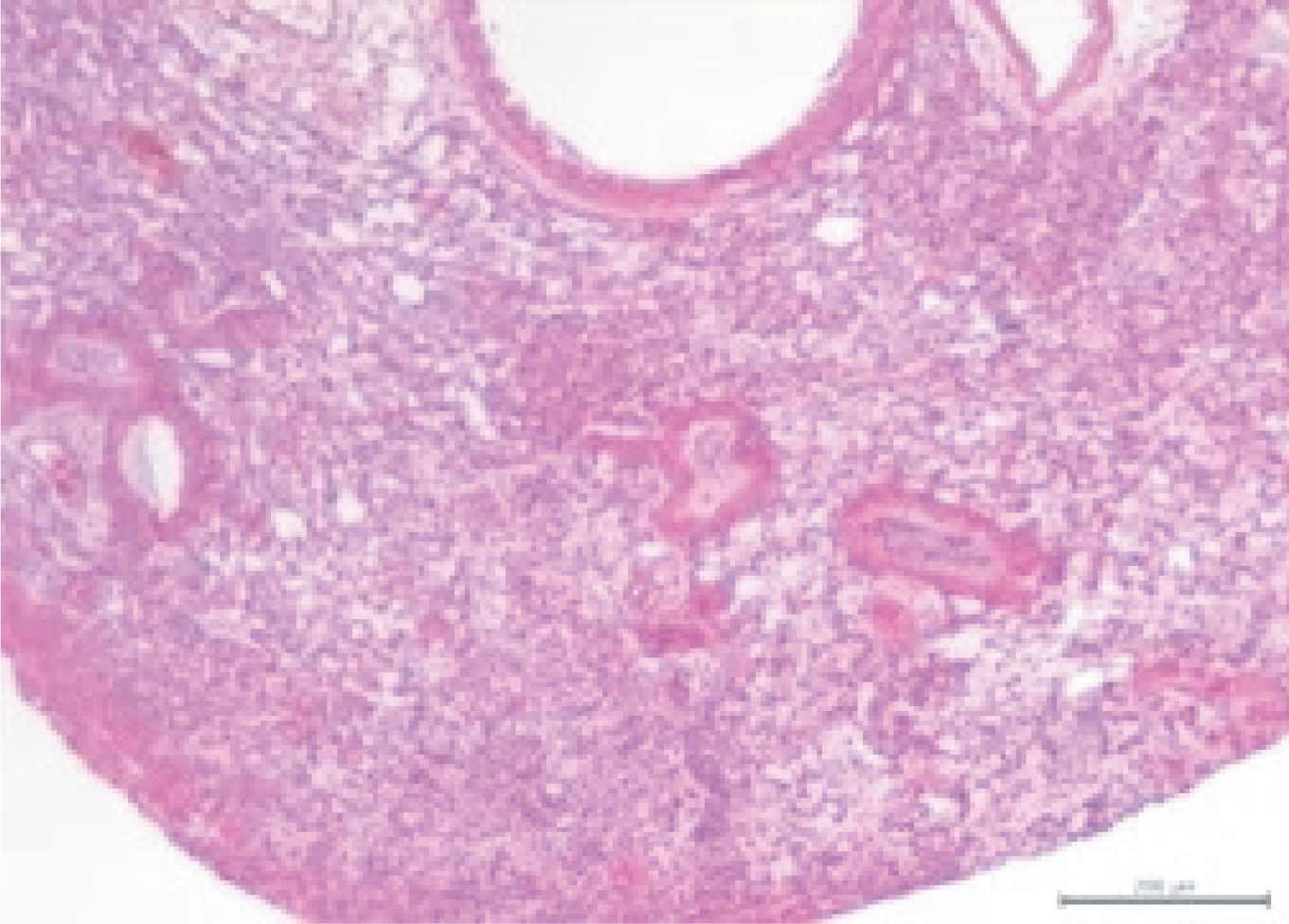
Lung of Model Group: Marked interstitial pneumonia with alveolar serous exudation and minimal perivascular inflammatory cell infiltration
Respiratory Syncytial Virus (RSV) Infection Model
Has completed the evaluation of 6 RSV infection therapeutic drugs
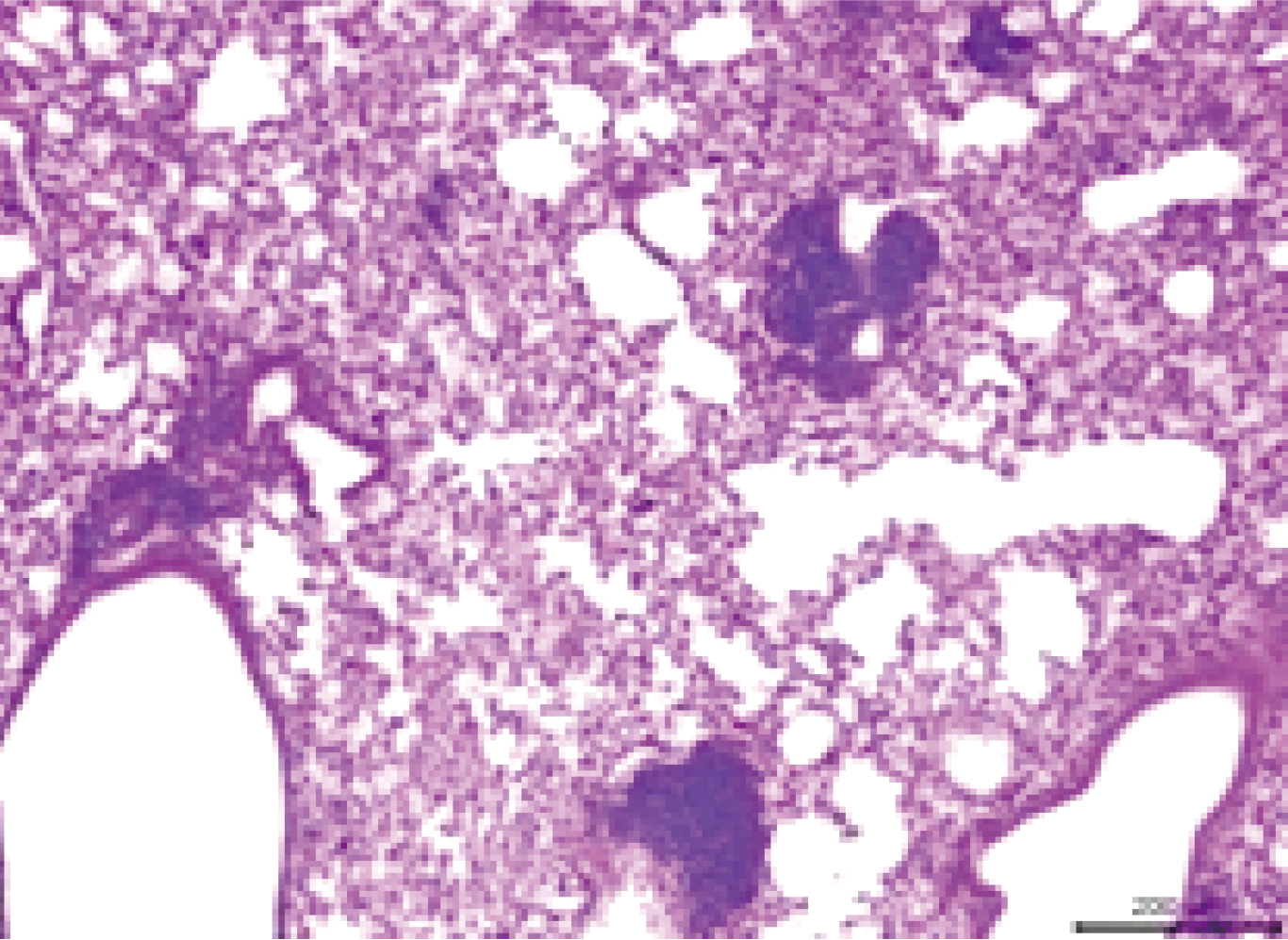
Pathological Criteria:
The lungs of model animals primarily exhibit interstitial inflammation, characterized by inflammatory cells and serous exudate in the interstitium surrounding alveolar walls, blood vessels, and bronchioles. A large amount of inflammatory serous fluid and inflammatory cells, predominantly macrophages, are also visible in the alveolar spaces.
EV71 Infection Hand-Foot-and-Mouth Disease Model
Has completed the evaluation of 4 infection therapeutic drugs
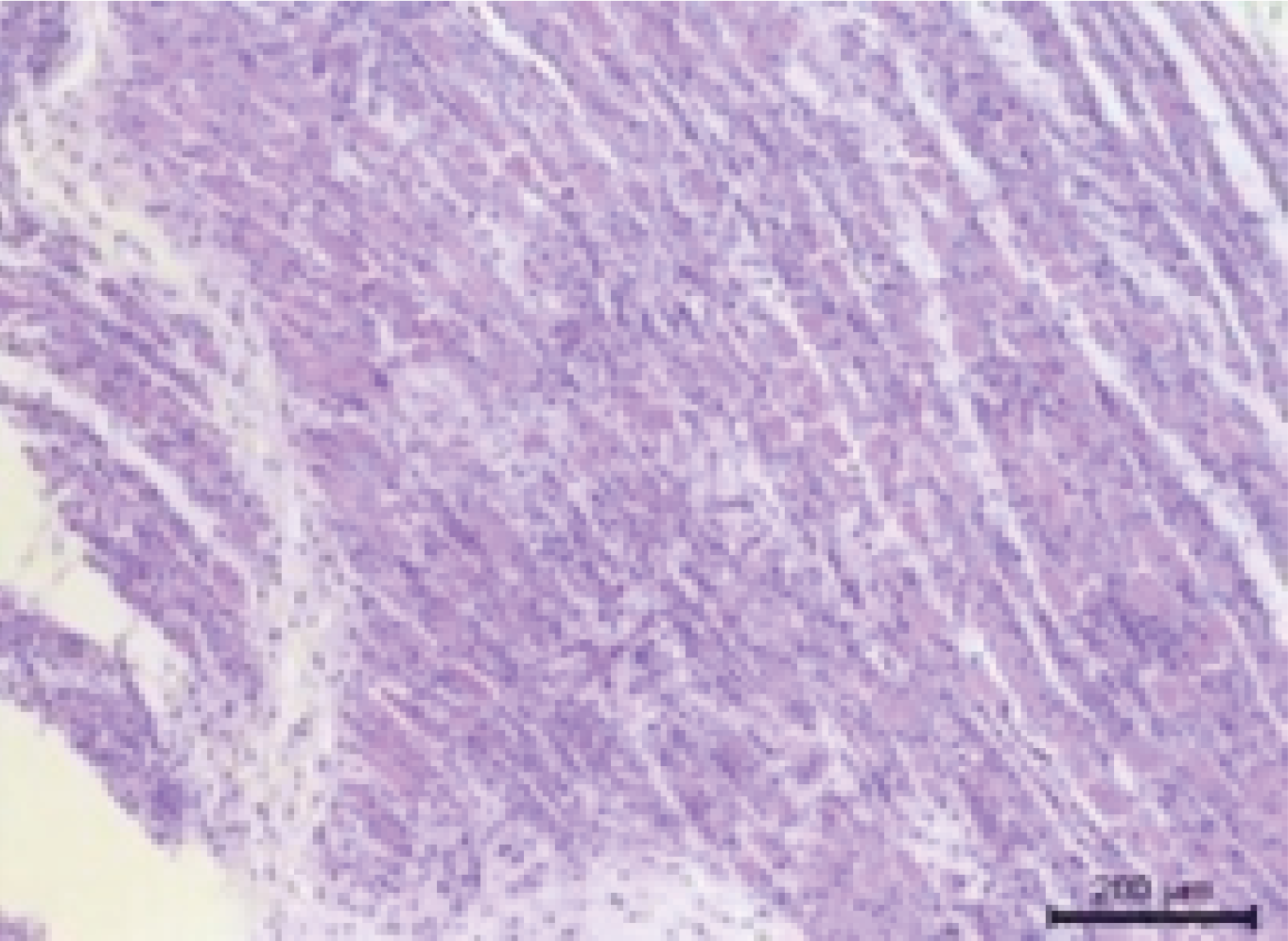
Pathological Criteria:
Model animal muscle tissue shows diffuse inflammation, characterized by necrosis and fragmentation of muscle fibers, inflammatory cell infiltration, possibly accompanied by interstitial edema.
Clinically Drug-Resistant Bacterial Infection Model
Has completed the evaluation of over 20 antibacterial therapeutic drugs
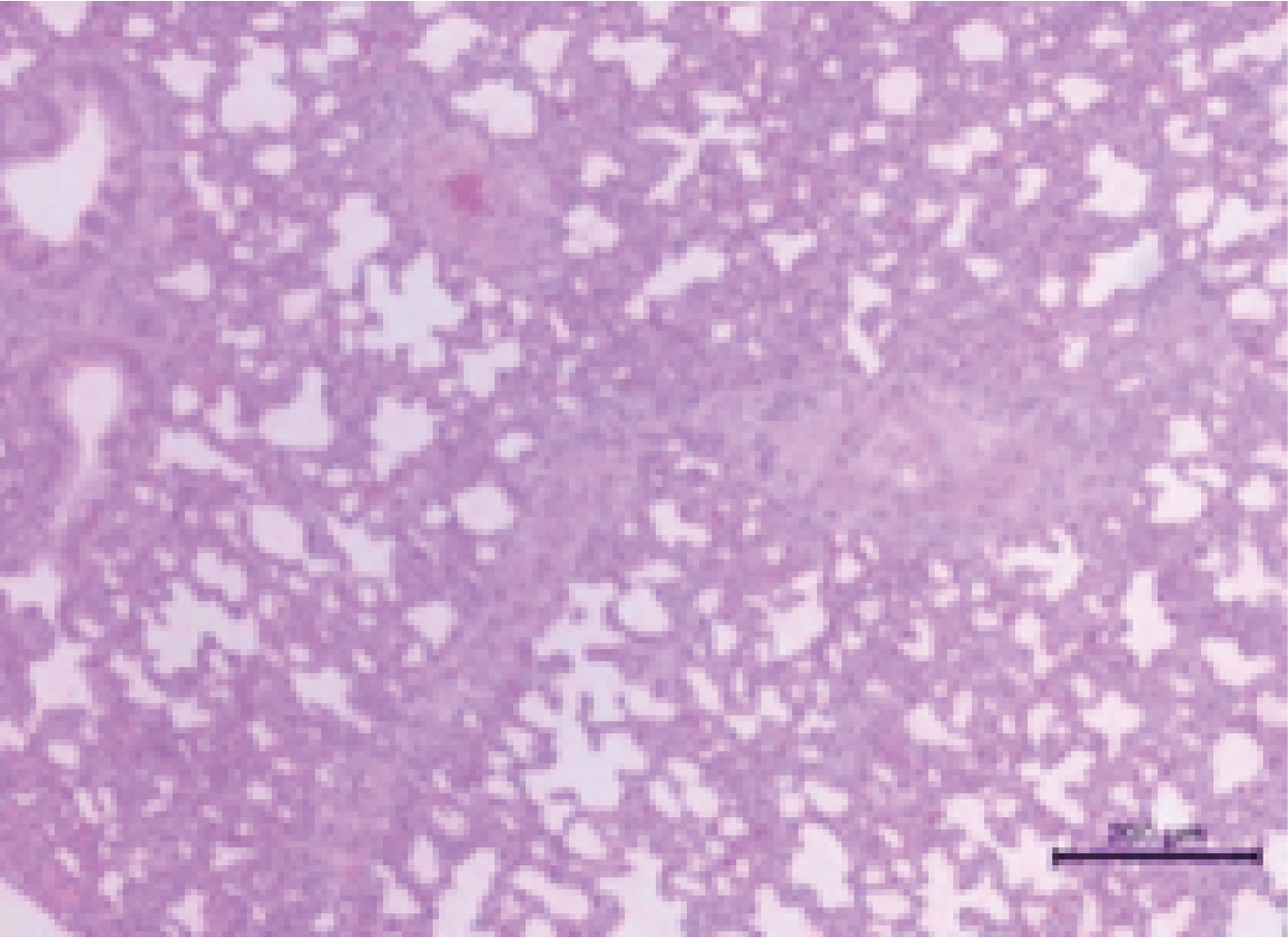
Pathological Criteria:
The lungs of model animals show diffuse inflammation, characterized by interstitial cell infiltration around alveoli, blood vessels, and bronchioles. Inflammatory serous fluid and mixed inflammatory cells are visible in the alveolar spaces, occasionally with bacterial colonies/filaments.
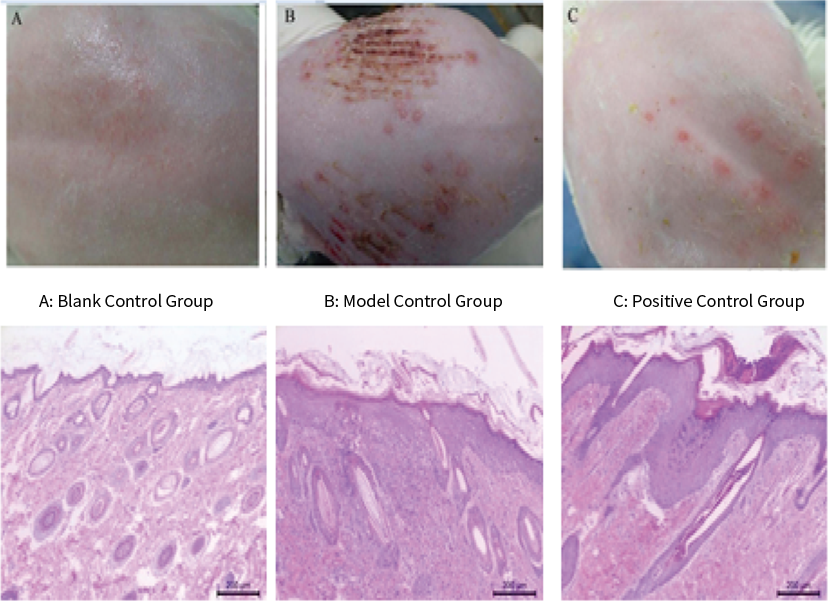
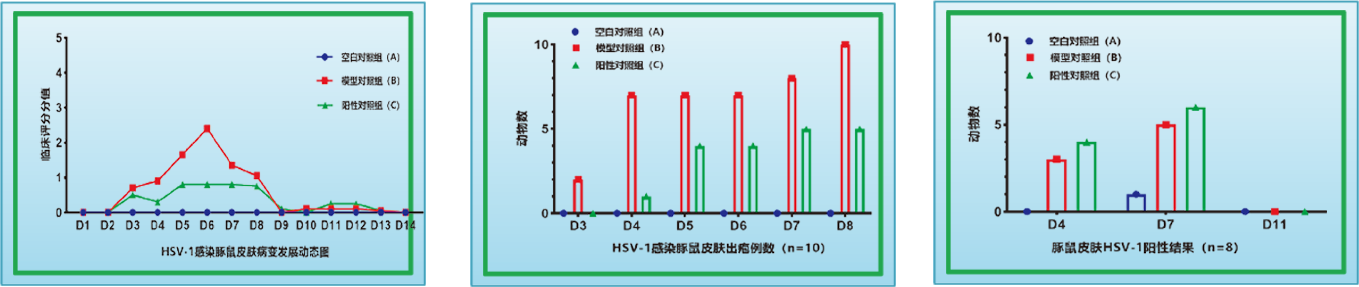
Guinea Pig Herpes Simplex (HSV-1) Model
Pathological Criteria:
The skin of model animals shows proliferation of squamous epithelial cells in the epidermal layer, accompanied by hyperkeratosis, and scattered inflammatory cell infiltration in the dermis.
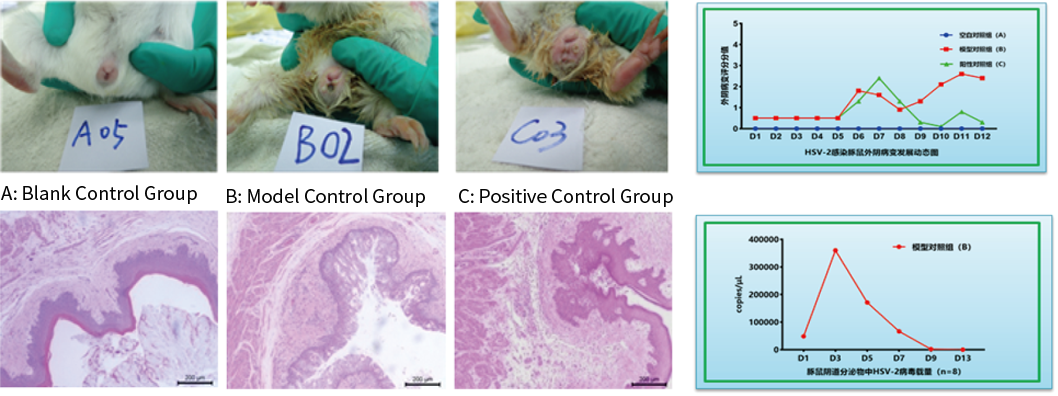
Guinea Pig Herpes Simplex Vaginitis (HSV-2) Model
Pathological Criteria:
The vagina of model animals shows mucosal erosion, underlying edema, accompanied by extensive scattered inflammatory cell infiltration.
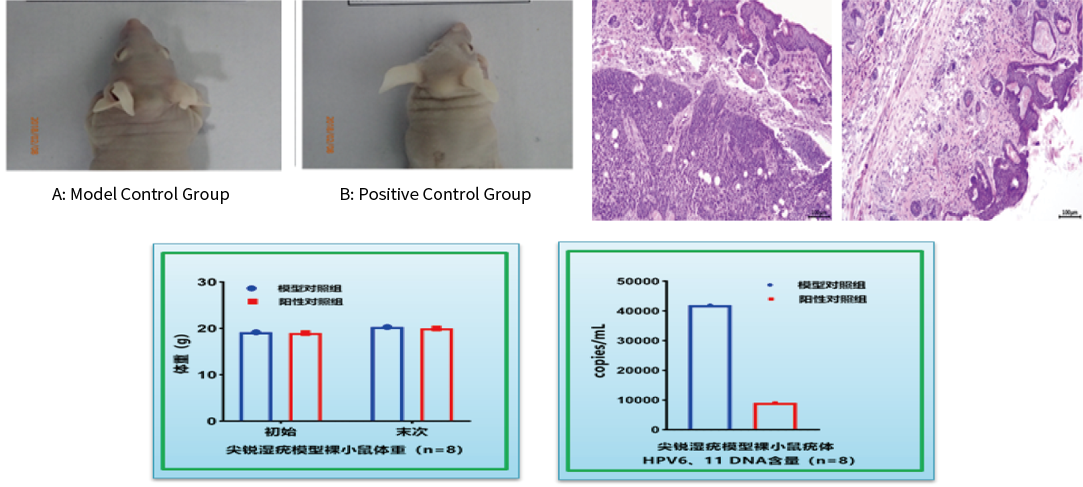
HPV-11 Transfected HaCaT Cell-Induced Nude Mouse Condyloma Acuminatum Model
Pathological Criteria:
The skin of model animals shows epidermal squamous epithelial hyperplasia accompanied by hyperkeratosis, inflammatory cell infiltration in the dermis, and koilocytes visible in the spinous and granular layers.